
Published on
Posted by
Categories:
Tagged:
Rioja DOCa, Spain | Vintage 2001 | Tasted November 2026
A rare garage wine from Rioja, a Zachys auction discovery, and a reminder that older wines can still surprise you.
The Auction Find
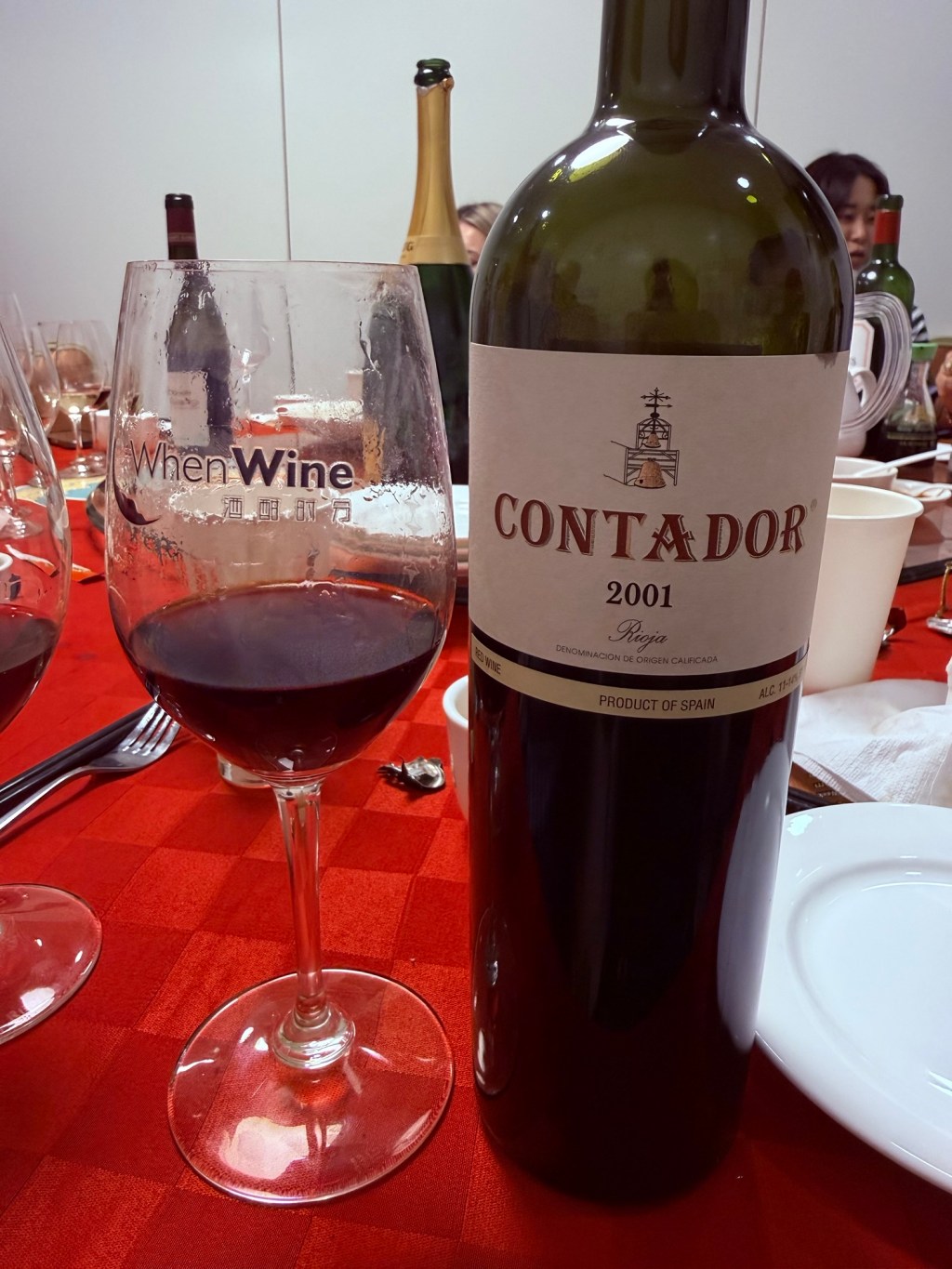
This 2001 Benjamín Romeo Contador was part of my wine auction wins from Zachys.
Compared with Bordeaux, Burgundy or Piedmont, Rioja doesn’t seem to attract quite the same attention at the auctions I’ve attended. For collectors willing to explore beyond the usual blue-chip regions, that can create opportunities to acquire exceptional wines at attractive prices.
I have to admit, however, that my expectations for this bottle were relatively low.
My previous encounters with older Rioja have been inconsistent, even when the bottles were sourced directly from bodegas. In particular, I’ve personally experienced a surprisingly high proportion of corked bottles among Spanish wines over 20 years old, compared with similarly aged Bordeaux or Piedmont.
Whether that’s simply bad luck, differences in storage and provenance, or something else, I can’t say.
But my husband is a big Rioja lover, and when I spotted this 2001 Contador at a good price, I decided to take the chance.
Two Bottles, Two Very Different Experiences
Unfortunately, the first bottle was corked.
That made me particularly nervous about opening the second—and last—bottle.
After removing the foil, I noticed mold around the cork. Not exactly the reassuring first impression I was hoping for!
Fortunately, the cork remained intact and came out with a satisfying pop. Although mold beneath the capsule isn’t necessarily an indication of damaged wine, it certainly added to the suspense.
The moment I smelled the wine, however, I knew we had a winner.
The aromatics were immediately expressive and inviting. There was no need for prolonged decanting or waiting for the wine to open up.
This was exactly the kind of mature wine experience I had been hoping for.
Tasting Notes
Appearance
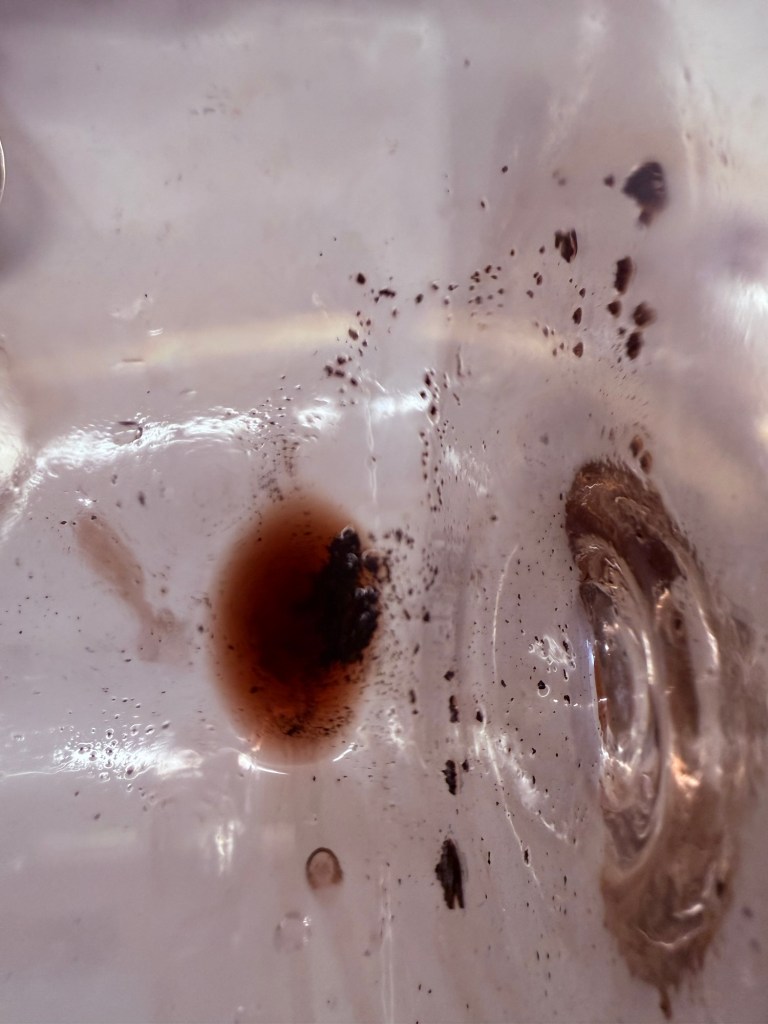
Medium garnet, consistent with a mature red wine, with considerable sediment accumulated over more than two decades in bottle.
The wine was reportedly bottled unfined and unfiltered, which makes careful pouring particularly important.
I’m personally not a big fan of decanting every older wine, although I’m still learning when it adds value. For this bottle, I chose to enjoy it without extensive decanting.
The final glass was another story!
I ended up using a filter to separate the remaining wine from the sediment. Interestingly, that final pour appeared much deeper ruby due to the suspended particles: an excellent reminder that sediment can dramatically affect a wine’s apparent color.
Nose
The first thing that struck me was the beautiful floral character.
For a 25-year-old Rioja, I was pleasantly surprised by how expressive and vibrant the aromatics remained.
The floral notes were followed by layers of warm vanilla, sweet baking spices, chocolate truffle, espresso beans and rich blackberry jam.
There was a wonderful interplay between mature complexity and concentrated fruit.
Palate
The texture was absolutely beautiful.
The tannins were smooth, silky and fully integrated, while the bright, high acidity provided remarkable freshness and structure.
There were recognizable tertiary characteristics: game, leather and prosciutto, the savory complexity I often associate with mature red wines.
But importantly, these notes had not overwhelmed the fruit.
Cherry and dried fig remained evident, complemented by dill, cedar and tobacco.
The combination of mature savory complexity, lingering fruit and vibrant acidity made the wine exceptionally enjoyable.
Rather than feeling tired or overly evolved, it showed a beautiful balance between maturity and vitality.
Behind the Bottle: Benjamín Romeo’s Garage Wine Era
What makes this wine particularly interesting is its place in modern Rioja history.
Benjamín Romeo began producing Contador in 1999, making 2001 only the third vintage of this flagship wine.
This was still his early garage-winemaking period, before the construction of his modern winery.
According to a contemporary 2004 Vinum report, the 2001 Contador was produced from old bush vines averaging approximately 70 years of age, sourced from small vineyard parcels around San Vicente de la Sonsierra.
2001 Vintage Technical Profile
| Detail | Information |
|---|---|
| Producer | Benjamín Romeo / Bodega Contador |
| Appellation | Rioja DOCa |
| Vintage | 2001 |
| Grapes | 95% Tempranillo; 5% Garnacha and Graciano combined |
| Vineyard location | San Vicente de la Sonsierra |
| Average vine age | 70 years |
| Altitude | 420–600 meters |
| Vineyard yield | Approximately 2,500 kg/ha |
| Alcohol | 14% ABV |
| Oak | French oak; published accounts differ on maturation duration |
| Production | Approximately 3,300 bottles |
| Winemaking | Reportedly bottled unfined and unfiltered |
The old-vine concentration and oak influence are particularly interesting when considered alongside my tasting experience.
Even after 25 years, the wine retained generous fruit concentration, while the oak-derived notes of vanilla, sweet spices, cedar and espresso had integrated beautifully with the developing tertiary characteristics.
The relatively small production also makes this a fascinating example of the early ambitions of modern, high-end Rioja.
Drinking Window: Is 2001 Contador at Its Peak?
My assessment: At its peak. Drink now.
At 25 years old, this wine is showing a beautiful combination of silky tannins, bright acidity, mature savory complexity and surprisingly persistent fruit.
Could it age for another few years? Potentially, particularly under excellent storage conditions.
But would I recommend waiting? Probably not.
Unless you specifically enjoy wines dominated by leather, game and other advanced tertiary characteristics, I believe this is an excellent time to open the 2001 Contador.
The balance between fruit and maturity is exactly where I want it to be.
Of course, with wines of this age, bottle variation and provenance can be just as important as the vintage itself. My experience with these two bottles was a perfect illustration.
Final Thoughts
This wine reminded me why I enjoy wine auctions so much.
Not every memorable bottle needs to be a First Growth Bordeaux or a Grand Cru Burgundy.
Sometimes the most rewarding discoveries are wines that attract less attention, carry a little uncertainty and ultimately exceed your expectations.
The first bottle was a disappointment. The second was absolutely worth the gamble.
And sharing this beautiful, mature Rioja with my husband and friends made the experience even more special.
One question remains: Have other collectors experienced unusually high cork-taint rates in older Spanish wines, or have I simply been unlucky?
I’d love to hear your experiences.
Technical reference: Vinum, April/May 2004, pp. 26–27. Contemporary accounts differ regarding the precise duration of French oak maturation. Tasting notes and drinking-window assessment reflect my personal experience with this bottle.


Leave a Reply